
Top Ways Pull-Out Shelving Can Make Meal Prep, Cooking, & Cleanup Easier
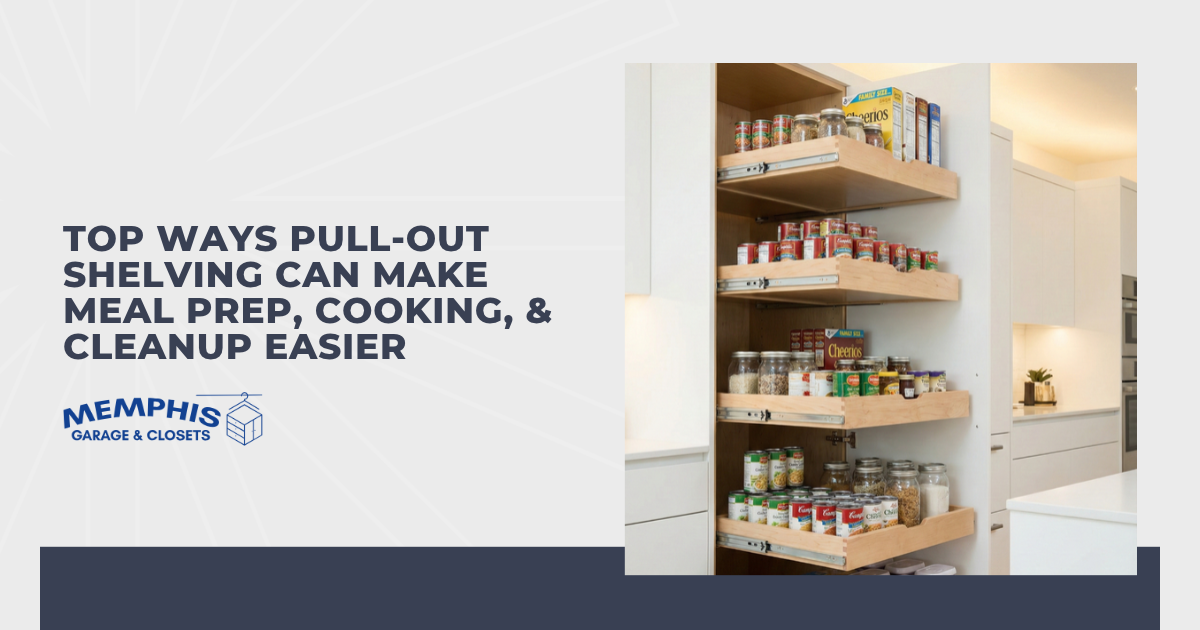
Dinner can involve more searching and shuffling than you expected when the ingredients and tools you need sit behind other items. Pull-out shelving brings those stored items forward, making the back of a cabinet easier to use. You can check what’s there without first clearing everything in front of it. The benefit depends partly on what you store on each shelf and where it sits in your kitchen.
To choose useful locations, I’d start with the tasks that interrupt your usual meal routine. Maybe you struggle to gather supplies before cooking, or putting things away feels like a second chore after dinner. Those sticking points can help you decide which cabinets deserve attention first. With a clear purpose for each shelf, you can organize storage around the work you do nearby.
Pull-out shelving can make meal prep, cooking, and cleanup easier in several practical ways:
- See your ingredients before you start meal prep
- Gather prep tools in one place
- Reach cookware without unloading the cabinet
- Free up counter space between uses
- Find food containers when it’s time to pack leftovers
- Keep cleanup supplies easy to retrieve
- Make shelf spills and crumbs easier to clean
Let’s look at how each setup supports a different kitchen task and where it could fit into your routine.
See Your Ingredients Before You Start Meal Prep
Before you start chopping, it helps to know which ingredients are already in your pantry. Deep shelves can hide a spare jar of sauce or an opened bag of rice behind newer purchases. Pull-out shelving brings those items forward so you can check your supplies more easily. You can spot a missing ingredient before you’re halfway through a recipe.
Visibility still depends on how you arrange the shelf. Tall packages at the front can block smaller items even when everything slides outward. Keep shorter containers where you can see their labels, and avoid packing groceries into several crowded rows. Leave enough room to remove one item without disturbing its neighbors.
I recommend giving opened packages a consistent place so they’re easy to check first. You can see what needs using and plan a meal around it. During restocking, place matching unopened items behind the ones already in use. This simple order helps you check quantities without searching several corners of the pantry.
Gather Prep Tools in One Place
Meal preparation often calls for several tools before any cooking begins. You might need a mixing bowl, measuring spoons, and a whisk for the same recipe. Storing related tools together on a pull-out shelf makes gathering them more straightforward. Position the shelf near your prep surface when your cabinet layout allows it.
The most useful groupings reflect the tasks you repeat in your kitchen:
- Baking Tools: Keep measuring cups, measuring spoons, and a pastry brush in a small bin.
- Produce Prep Tools: Group your peeler, handheld grater, and salad spinner where they fit comfortably.
- Mixing Tools: Store mixing bowls with nearby space for whisks and spatulas.
You don’t need to create every grouping if some would rarely get used. I favor keeping frequently used tools closest to the front, with occasional extras farther back. Check that small pieces stay contained when you open and close the shelf. Once the arrangement suits your routine, gathering supplies becomes a more predictable first step.
Reach Cookware Without Unloading the Cabinet
The pan you want often ends up beneath several others in a lower cabinet. Reaching it can mean moving the entire stack onto the floor or counter. An extended shelf gives you a clearer view of the cookware and more room to grasp it. You can approach the handles without reaching deep into the cabinet.
For cookware, my priority is keeping stacks manageable. Pull-out shelving improves access, but a tall pile still needs to be taken apart. Give your most-used skillet a position that requires minimal lifting, and separate bulky pieces when space allows. Check that handles and lids clear the cabinet opening as the shelf moves.
Your shelf also needs to suit the combined weight of the cookware you’ll store. Confirm its rated capacity and intended use before loading it with heavy pots. Leave enough space above each piece to lift it out comfortably. Test the arrangement with your usual cookware before deciding where everything belongs.
Free Up Counter Space Between Uses
Counter space gets crowded when appliances stay out because putting them away feels inconvenient. A suitable pull-out shelf can provide an accessible home for a blender or food processor. The appliance comes forward when you need to lift it onto the counter. After use, you have a clear place to return it.
Measure the appliance’s height and width, including any handles or attachments. You’ll also need enough clearance to grasp it securely and lift it out. I’d reserve this approach for appliances you can comfortably move, since easier access doesn’t remove their weight. The shelf and hardware must be rated for the full stored load.
Use the appliance on an appropriate work surface according to its instructions. An ordinary storage pull-out shouldn’t be treated as an appliance operating station. Before putting it away, unplug it and let it cool when necessary. Your counter is then available for the next task without requiring a new storage decision.
Find Food Containers When It’s Time to Pack Leftovers
Once dinner is finished, mismatched containers and loose lids can delay cleanup. A dedicated pull-out shelf gives you a place to see the available sizes together. Shallow bins or dividers can keep lids upright beside their matching containers. You can select what fits the leftovers without emptying a crowded cupboard.
Start by removing containers with missing or unusable lids. Nest compatible pieces in short stacks, leaving enough room to lift out the size you want. Keep frequently used sizes near the front of the shelf. My preference is to organize containers by matching sets or compatible lid sizes, whichever makes choosing one simpler.
The arrangement should also be easy to restore after washing up. Give lids a clearly defined slot so they don’t drift into other cabinet spaces. Put containers away only when they’re clean and dry. An obvious return spot helps you maintain the setup between meals.
Keep Cleanup Supplies Easy to Retrieve
I recommend choosing a location for cleanup supplies based on where you actually wash and wipe. A pull-out near the sink can bring dishcloths, sponges, and suitable cleaning products within easier reach. You won’t need to reach behind several bottles to retrieve a fresh cloth. Keep the selection limited to supplies used in your regular kitchen cleanup.
Under-sink cabinets require planning because plumbing takes up part of the available space. Measure around pipes and other fixtures before choosing a shelf layout. Check that bottles remain upright and clear the cabinet opening throughout the shelf’s travel. A fitted tray can help contain small drips, provided it suits the shelf.
Store cleaning products separately from food and food-preparation tools. Follow product labels, and use secured storage when children or pets could gain access. Damp sponges and cloths need a suitable place to dry before they’re stored. With those needs accounted for, you can retrieve supplies and begin cleanup with less searching.
Make Shelf Spills and Crumbs Easier to Clean
Crumbs at the back of a fixed cabinet can be difficult to notice until they build up. An extended shelf exposes more of the storage surface to view. You can spot a spilled grain or a sticky ring while retrieving something else. Accessible surfaces also make it easier to deal with small messes promptly.
Remove the affected items before cleaning the shelf. Use a method approved for its material, and avoid soaking the surface or slide hardware. For routine care, I suggest checking the exposed corners whenever you restock. This gives you a regular opportunity to catch residue without creating a separate inspection chore.
Pull-out shelving doesn’t eliminate the need to clean inside the surrounding cabinet. You may still need occasional access beneath or behind the shelf. Follow the manufacturer’s directions if removal is necessary, and don’t force the hardware. Between those deeper cleanings, the visible shelf surface is easier to keep ready for daily use.
Conclusion
Small frustrations in your kitchen can feel more noticeable at the end of a busy day. Pull-out shelving can ease some of that daily effort when its placement suits the way you cook and put things away. You don’t need to reorganize every cabinet at once to make a useful change. Start with the spot you struggle with most, and make the next meal a little easier on yourself.

Mike Beard has a bachelor’s degree in Business Administration and career history in Manufacturing and Supply Chain Management. Combining his passion for organization and design with his experience in business management has allowed Mike to realize his dream of helping Memphis, TN homeowners organize their homes with effective and unique storage spaces.
Memphis Garage & Closets
Lakeland, TN 38002
Monday - Friday: 9am - 6pm
Saturday: 9am - 6pm (By Appointment)
Sunday: 9am - 6pm (By Appointment)
